

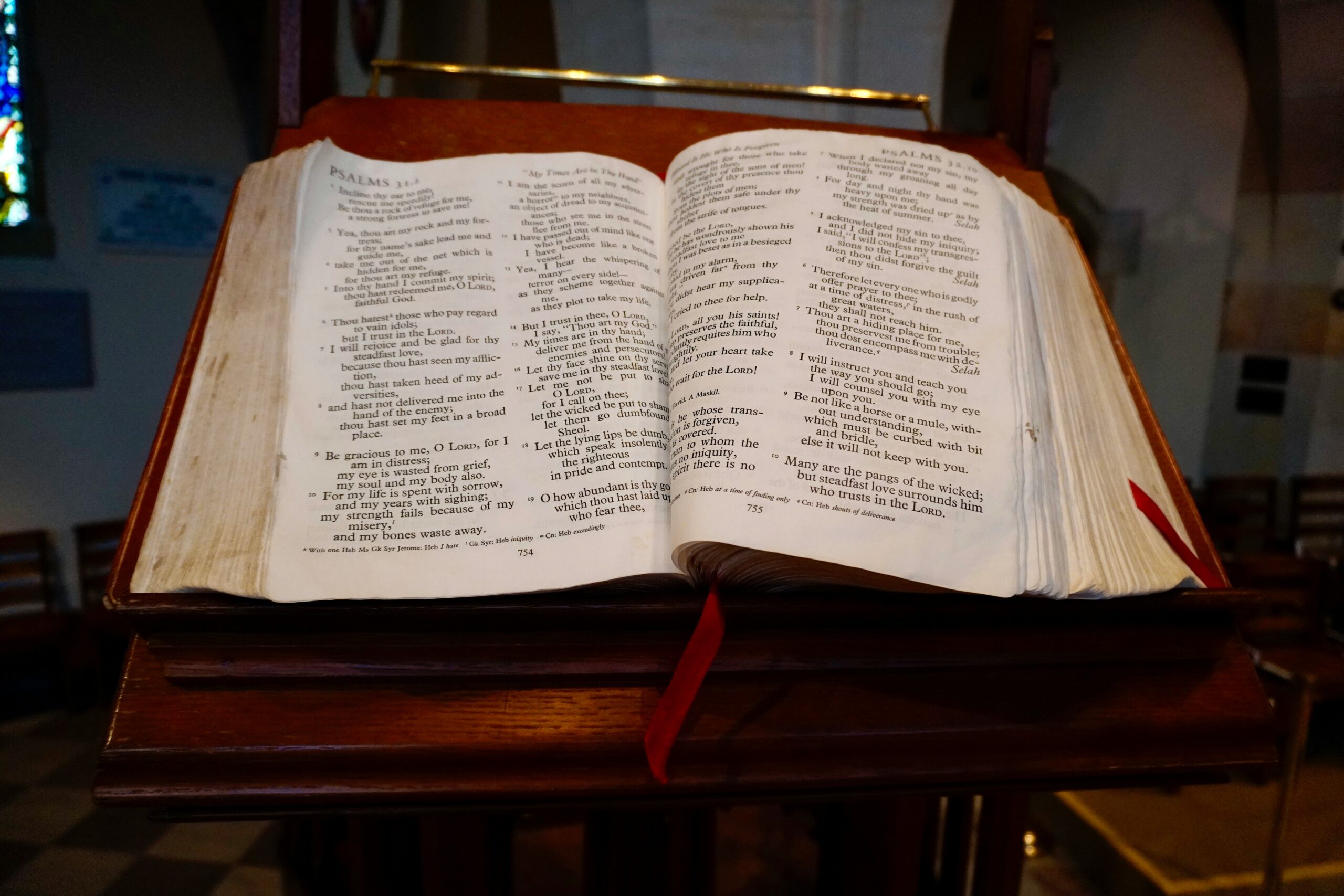
Few books in history have shaped Christianity, language, and worship as profoundly as the King James Version of the Bible, first published in 1611. Often called the Authorized Version, the King James Bible is widely celebrated for its poetic beauty, literary excellence, and enduring spiritual influence. For many believers, it represents far more than a translation—it stands as a sacred cornerstone of faith, tradition, and devotion, with some Christians even viewing the 1611 edition as the definitive English Bible.
The King James Bible emerged during a time of intense religious tension, political upheaval, and spiritual renewal in England. Under the authorization of King James I, nearly fifty scholars—experts in Hebrew, Greek, and theology—were commissioned to produce a new English translation of Scripture. Their task was not merely academic. They were called to create a Bible that could unify the Church of England, address theological disputes, and offer an alternative to the widely used Geneva Bible, which carried strong reformist and anti-monarchical notes.
At first, the King James Version was met with skepticism and resistance. The Geneva Bible was already deeply embedded in English-speaking Protestant life, especially among Puritans. Its study notes and accessibility made it popular, and many were reluctant to abandon it. The KJV, lacking explanatory notes and employing a more formal, elevated style, did not immediately win hearts. In fact, it took several decades for the King James Bible to surpass the Geneva Bible in widespread use.
Yet over time, something remarkable happened. Suspicion gave way to appreciation. Readers began to recognize the careful scholarship, rhythmic prose, and theological balance of the KJV. Its language, while formal, resonated deeply in public worship, private devotion, and communal reading. Passages such as Psalm 23, John 1, and 1 Corinthians 13 became etched into the spiritual imagination of generations. The beauty of its phrasing made Scripture memorable, recitable, and deeply reverent—qualities that shaped preaching, prayer, and worship across the English-speaking Christian world.
The influence of the King James Bible extended beyond church walls. It profoundly shaped the English language itself, contributing phrases and idioms that remain common today. Its cadence influenced literature, hymnody, and public discourse. More importantly, it helped solidify Scripture as central to Christian life, reinforcing the Kingdom principle that God’s Word should be heard, spoken, and lived. For centuries, it was the primary Bible used in churches, homes, and missionary efforts, especially in the United States.
Spiritually, the KJV played a major role in shaping Christian theology and devotion. Its widespread use reinforced biblical literacy and encouraged reverence for Scripture as the authoritative Word of God. Even as newer translations emerged—seeking to clarify archaic language or incorporate additional manuscript discoveries—the King James Bible retained a special place in the hearts of believers. Its influence persists not because it is the only faithful translation, but because it faithfully served its purpose in God’s redemptive story.
From a Kingdom perspective, the impact of the King James Bible reminds us that God uses human history, language, and culture to advance His purposes. The KJV did not replace Scripture—it carried it forward. It helped generations encounter Jesus, understand the gospel, and live under the authority of God’s Word. While translations may change, the message remains the same: God speaks, God saves, and God transforms lives through His Word.
More than four centuries later, the King James Version continues to stand as a testimony to God’s faithfulness in preserving His truth and making it accessible. Its influence on Christianity and religion is not merely historical—it is living, echoing in sermons, prayers, and hearts wherever the Word of God is read and proclaimed.