

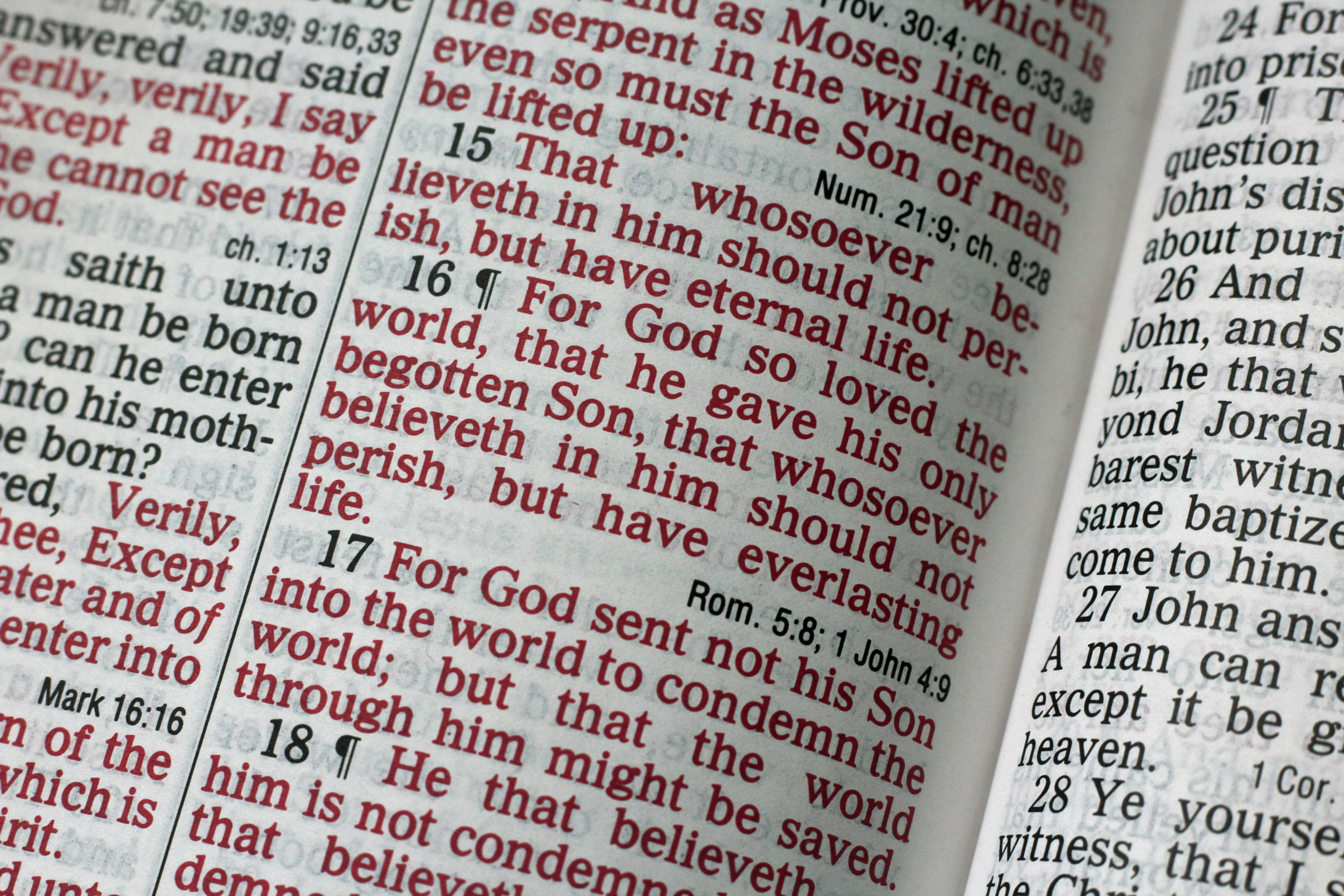
The Bible stands at the very center of the believer’s life—not as a collection of helpful opinions, but as the authoritative Word of God. Consisting of the Hebrew Scriptures and the New Testament, Scripture is the authority in all matters of faith and practice. In the Kingdom of God, truth is not determined by culture, emotion, or personal preference. Truth is revealed by God, preserved in His Word, and fulfilled in Jesus.
Scripture is not merely human reflection about God; it is God’s self-disclosure to humanity. The Bible is inspired by God—“God-breathed”—and trustworthy in everything it affirms (2 Timothy 3:16–17). From Genesis to Revelation, God speaks with consistency and purpose, revealing His character, His promises, and His redemptive plan for the world. What He inspired, He safeguards. What He speaks, He means. And what He reveals, He fulfills.
The Hebrew Scriptures lay the foundation of God’s covenant love, His holiness, and His faithfulness to Israel. The New Testament reveals the fulfillment of those promises in Jesus the Messiah, who did not abolish the Scriptures but completed their purpose (Matthew 5:17). Together, they form one unified testimony—one story of redemption, one unfolding Kingdom, and one faithful God who keeps His word.
Because Scripture is inspired by God, it carries divine authority. That authority does not oppress or restrict; it liberates and anchors. God’s Word corrects us when we drift, trains us in righteousness when we grow, and equips us to live lives that reflect the reign of the King (Psalm 119:105; John 17:17). In a world overflowing with competing voices, Scripture remains the steady, unchanging standard by which all truth is measured.
The Bible’s reliability matters because faith must rest on something solid. God’s Word is without error in the original manuscripts—not because humans are perfect, but because God is faithful. Jesus Himself affirmed the trustworthiness of Scripture, grounding His teaching, His mission, and His identity in what God had already spoken (Luke 24:27; John 10:35). The Kingdom of God advances not through speculation, but through revealed truth.
To submit to Scripture is not to abandon reason or experience, it is to bring them under God’s authority. The Word shapes how we believe, how we live, how we love, and how we serve. It forms the conscience, renews the mind, and aligns the heart with God’s will (Romans 12:2). When Scripture speaks, the believer listens—not out of obligation, but out of trust in the God who speaks through it.
In the Kingdom of God, the Bible is not outdated—it is eternal. It is not optional—it is essential. And it is not silent—it is alive and active, continually pointing us to Jesus, the living Word (Hebrews 4:12; John 1:1–14). Built on Scripture, our faith stands firm, our practice remains faithful, and our lives become testimonies to the God who still speaks today.